Organic Snacks for Healthy Everyday Living
Choosing organic snacks reduces exposure to synthetic pesticides and supports diets richer in whole food ingredients that are often higher in fiber and phytonutrients. For those prioritizing heart health, steady energy, and cleaner labels, organic snacks deliver real advantages when selected with care. The essence is simple: organic certification enforces practices that favor soil health, limit synthetic inputs, and frequently combine well with fair trade and humane sourcing standards.
Health Benefits and Certification Basics

Organic ingredients tend to come from farms that avoid synthetic pesticides, antibiotics, and most synthetic fertilizers. Multiple studies published over the past decade show lower pesticide residues in people who consume primarily organic produce. In addition, organic dairy and meat must meet standards for animal welfare and restrict routine antibiotic use, which supports efforts to slow antimicrobial resistance. The Organic Foods Production Act of 1990 set the U.S. framework, and the USDA National Organic Program adopted its final rule on December 21, 2000, with enforcement beginning in 2002. In the European Union, the green leaf logo became mandatory in 2010, signaling compliance with EU organic regulations. Other recognized seals include the Soil Association in the UK, Bio Suisse in Switzerland, and Fair Trade certification when social and economic equity are prioritized alongside organic farming.
Certification criteria vary by program, but common elements include crop rotation, organic seed use when available, limits on synthetic additives, and detailed record keeping. For processed snacks, a product labeled "100% organic" must contain only organic ingredients. "Organic" means at least 95 percent organic content, while "made with organic ingredients" requires at least 70 percent organic content and prevents use of the organic seal.
Reading Nutrition Labels and Ingredients to Avoid

Nutrition labels provide the practical data that turns organic claims into healthful choices. Focus first on serving size, calories per serving, and percent Daily Value for saturated fat, sodium, and added sugars. FDA updates to labeling requirements in recent years emphasized clearer declaration of added sugars and realistic serving sizes, which helps shoppers identify overly sweet or calorie dense snacks.
Certain ingredients warrant avoidance regardless of organic status because they undermine nutrition goals. Ingredients to watch for include high fructose corn syrup, artificial colors and flavors, partially hydrogenated oils, BHA and BHT preservatives, and excessive added sugars. Organic certification does not automatically mean low sugar or low sodium. A product can be organic and still be high in added sugars or sodium, so label reading is essential.
Top Categories and Brand Recommendations
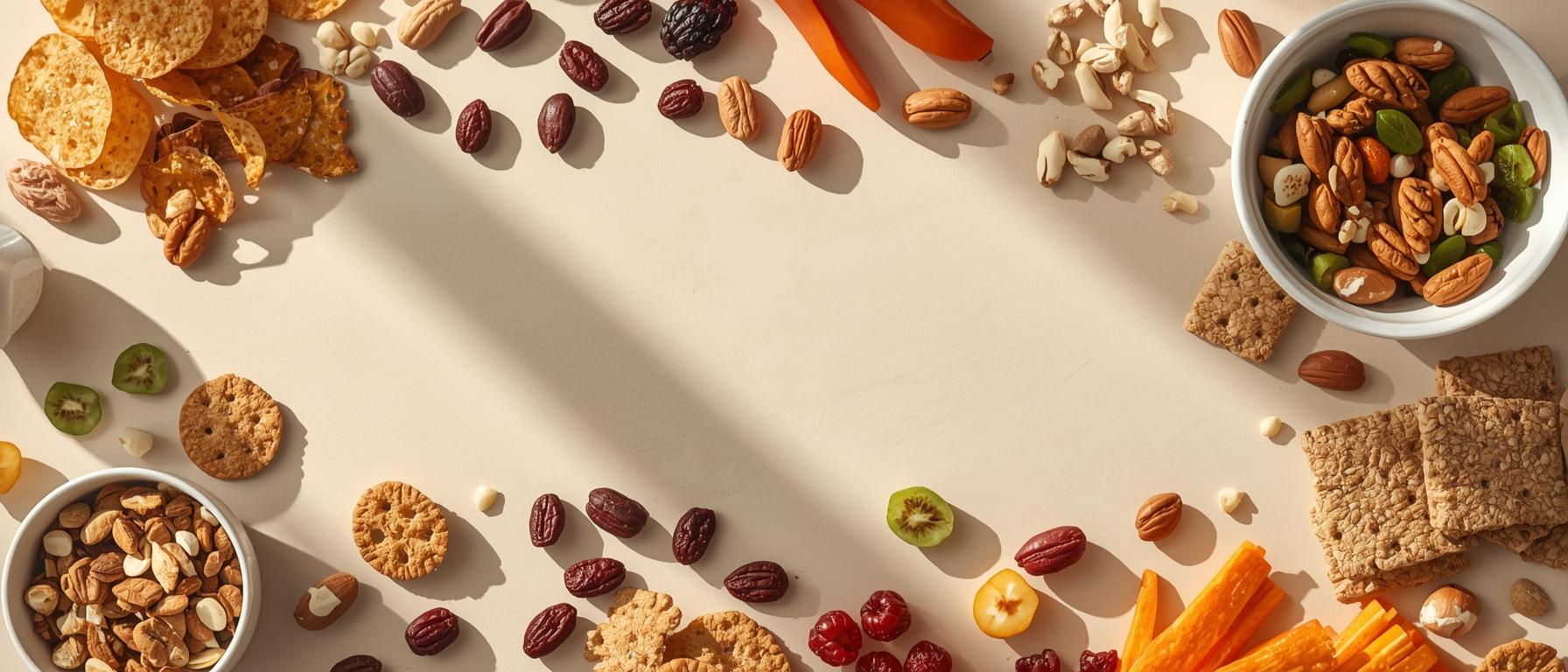
Snack priorities differ by need: sustained energy, savory crunch, sweet satisfaction, or portable nutrients for kids. Below is a practical chart highlighting categories, organic-forward brands, reasons to choose them, and typical retail price ranges in the U.S.
| Category |
Recommended organic-forward brands |
Why choose these brands |
Typical price range (USD) |
| Energy and protein bars |
GoMacro, Thunderbird, Clif (organic lines) |
Many bars use whole food ingredients, organic oats, and plant proteins; good for active days |
$1.75 – $3.50 per bar |
| Chips and savory snacks |
Late July, Jackson’s Honest, Siete (select organic options) |
Organic grains or potatoes, often non-GMO oil choices, cleaner frying mediums |
$3.50 – $6.50 per bag |
| Cookies and granola |
Annie’s, Nature’s Path, Mary’s Gone |
Organic baking ingredients, fewer artificial additives, certified organic cereal and granola |
$4.00 – $9.00 per package |
| Nuts, seeds, trail mixes |
Terrasoul Superfoods, 365 by Whole Foods Market |
Bulk organic nuts and seed mixes reduce packaging waste and cost per ounce |
$8 – $20 per pound |
| Kids and family-friendly snacks |
MadeGood, Happy Family Organics |
Formulated to be organic and allergen-friendly with child-appealing flavors |
$2.00 – $6.00 per pack |
| Allergen-friendly and vegan options |
MadeGood, Alter Eco (organic chocolate), Nature’s Path gluten-free lines |
Certified organic items combined with gluten-free or vegan certification for sensitive households |
$2.50 – $8.00 per item |
After reviewing choices, verify that the specific product carries the USDA seal or other regional organic mark when certification is a priority. Brand portfolios vary; some manufacturers have both organic and conventional lines.
Family Needs, Sustainability, Packaging, and Buying Tips
Families and households managing allergies can find organic options that are gluten-free, vegan, and free-from major allergens. Brands such as MadeGood emphasize organic ingredients while avoiding dairy, nuts, and eggs in many products. Sustainability and ethical sourcing often appear alongside organic claims. Look for Fair Trade Certified or Rainforest Alliance seals when cocoa, coffee, or sugar are primary ingredients, and prefer brands publishing supply chain transparency reports.
Packaging affects shelf life and carbon footprint. Resealable pouches and single-serve compostable options are rising in popularity. For freshness, store nuts and seed-based snacks in airtight containers and refrigerate them after opening to extend quality for several months. Expect organic snacks to cost more; however buying in bulk, choosing store-brand organic lines such as 365, and focusing on multi-serve formats can lower per-serving cost. Retail channels include neighborhood co-ops and natural foods stores, national chains such as Whole Foods and Sprouts, specialty online markets, and curated retailers like Rainbow Foods that emphasize organic and ethically sourced selections.
DIY Snacks, Pairing, Market Trends, and Rainbow Foods’ Picks
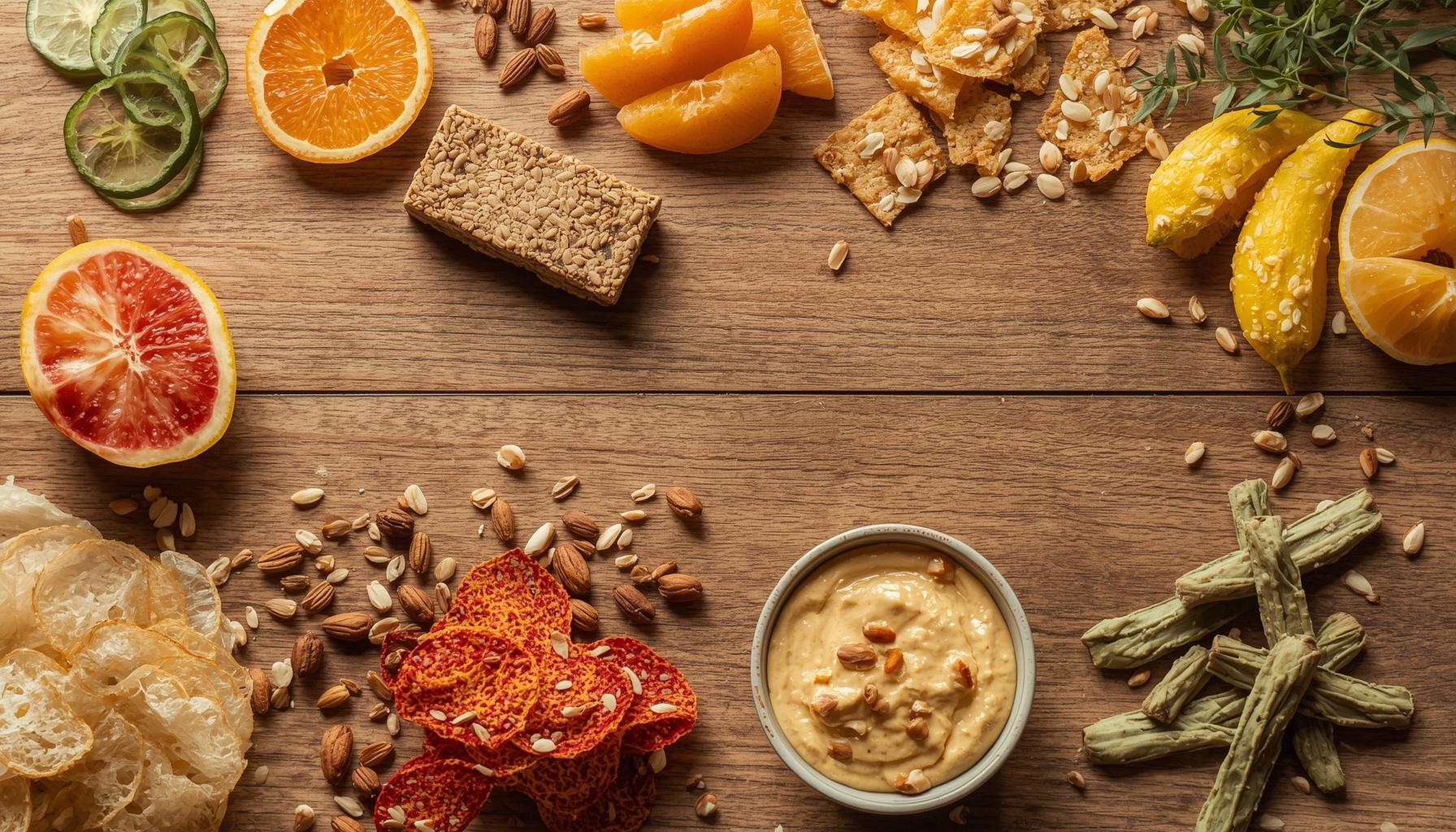
Simple swaps transform pantry staples into organic snacks: replace refined sugar with medjool dates in energy balls; roast chickpeas with olive oil and smoked paprika for a savory crunch; bake kale leaves at low temperature into crispy chips; blend oats, nut butter, and fruit into no-bake bars. Pair organic snacks with balanced meals by using them as midafternoon complements to protein and fiber rich lunches, or as topping for Greek yogurt, salads, or smoothies to extend satiety and nutrient density.
Market trends shaping choices include transparent ingredient sourcing, functional additions such as plant protein and adaptogens, and a push for upcycled ingredient use to reduce food waste. Rainbow Foods curates a rotating selection of USDA Certified Organic snacks, family-friendly packs, fair trade chocolates, and allergen-aware products, all chosen for clean ingredient panels and documented sourcing. For households planning a pantry transition, start by replacing one snack category per month with certified organic options, focus on staples such as oats and nuts first, and compare unit prices to maintain value while upgrading quality.

 VIEW ALL RECIPES